Bakeries
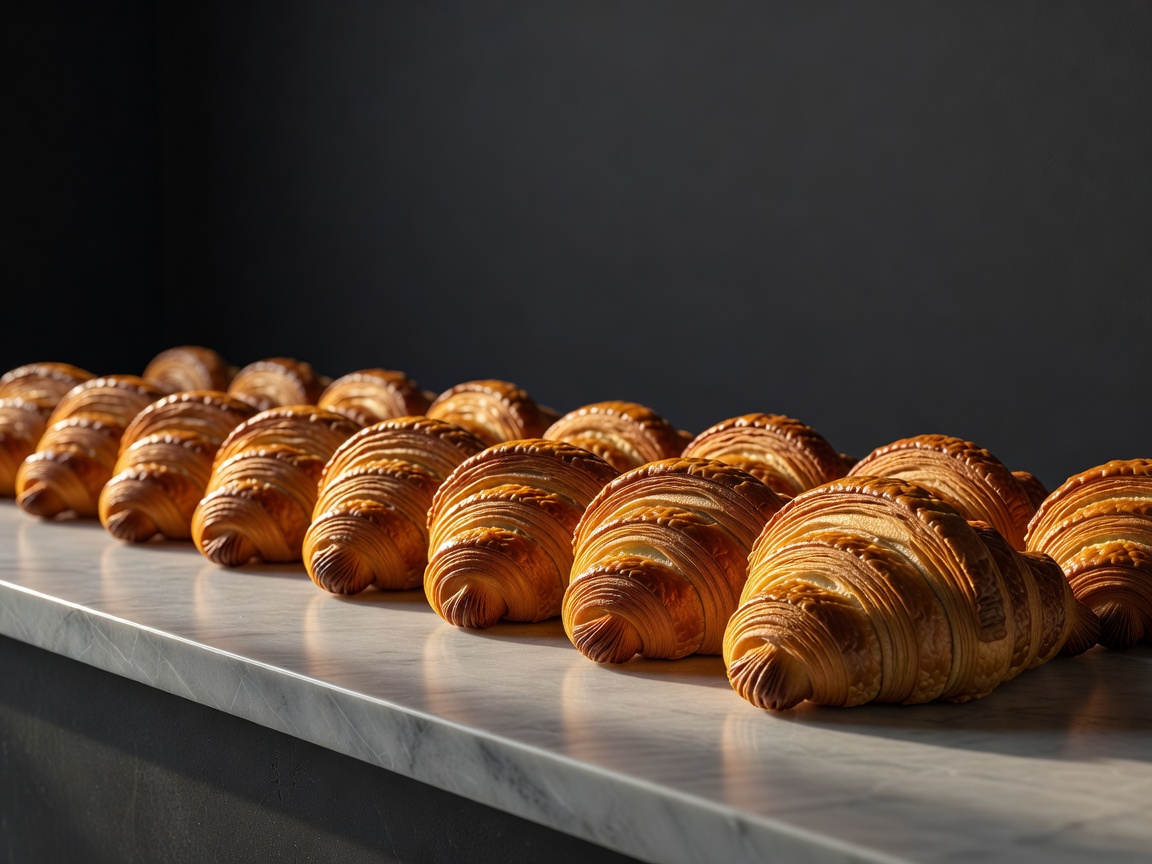
A bakery is easy to love at 8 am. Everything is warm, the shop smells of butter and caramelised sugar, and almost any croissant tastes good fresh from the oven. That is why our second visit is always late in the afternoon. A properly laminated croissant, made with good butter and given enough time, still shatters at 4 pm and shows an open, honeycomb crumb when you cut it. A shortcut croissant goes soft, bready and slightly greasy within hours. The afternoon visit separates craft from timing.
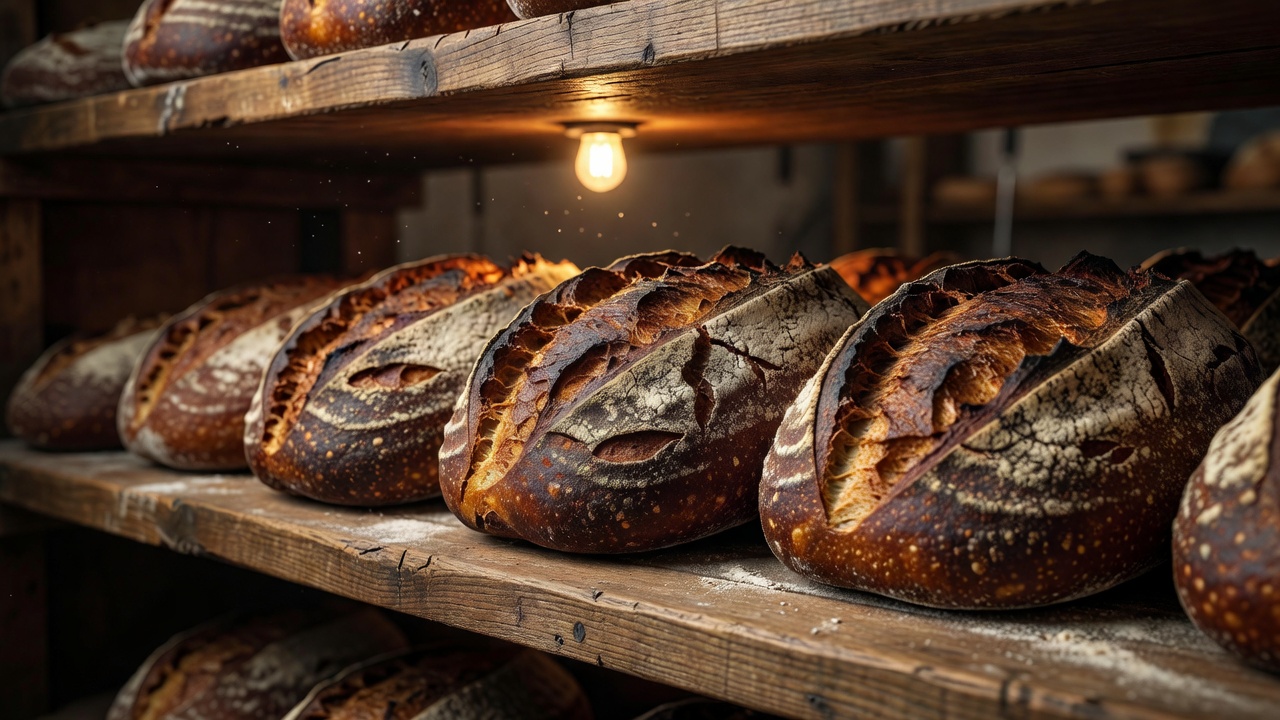
Bread gets the same treatment. We buy a loaf, take it home and eat it on day two. Good sourdough, the kind associated with Poilâne in Paris or Chad Robertson's Tartine Bakery in San Francisco, keeps its character overnight: a deep, almost bitter crust, a moist crumb and a gentle sourness. Supermarket-style "sourdough" made with added yeast and flavourings tends to dry out and taste of very little.
Why technique takes 40%
Baking is unforgiving. Temperature, hydration, proofing time and lamination all show in the final product, and there is no sauce to hide behind. We raise ingredients to 25% because butter and flour quality are visible in every bite; a pastry made with good cultured butter simply tastes different. The room drops to 5%: plenty of the best bakeries are a counter and a queue.
Bakery tests we run
- The cut: croissants cut in half to inspect layers and crumb.
- The day-two loaf: bread eaten the next morning, untoasted.
- The classic: one regional speciality, such as a pastel de nata, judged against its benchmark. For nata, that benchmark is Pastéis de Belém in Lisbon, baking them since 1837.
- The price check: cost of a plain croissant and a standard loaf, printed on every review.
Dessert bars
Dessert bars sell an evening as much as a dish. You sit, you order something plated, maybe a glass of dessert wine, and you stay. That is why the room carries 15% here, three times its bakery weight. But cooking still leads. We judge sugar balance first: the best desserts use acidity, bitterness and salt to stop sweetness becoming tiring. Then temperature and texture contrast, warm against cold, crisp against soft. A dessert that is one note of sweet cream loses marks quickly, however pretty it looks.
The reference points are high. Pierre Hermé built a reputation on surprising flavour pairings, such as rose, lychee and raspberry in his Ispahan. Ladurée made the macaron a global object. We do not expect every dessert bar to reach that level, but we expect the same thinking: every element on the plate should earn its place.
Dessert red flags
- Gold leaf, smoke domes or sparklers doing the work flavour should do.
- Everything sweet, nothing sour, salty or bitter.
- Ice cream already melting when it lands, a sign it was plated too early.
- Prices that only make sense on Instagram.
What earns an 8
For a bakery: lamination that survives the afternoon, bread with real fermentation and fair prices. For a dessert bar: a plate you want to finish, not photograph, with balance that keeps the last spoonful as good as the first.