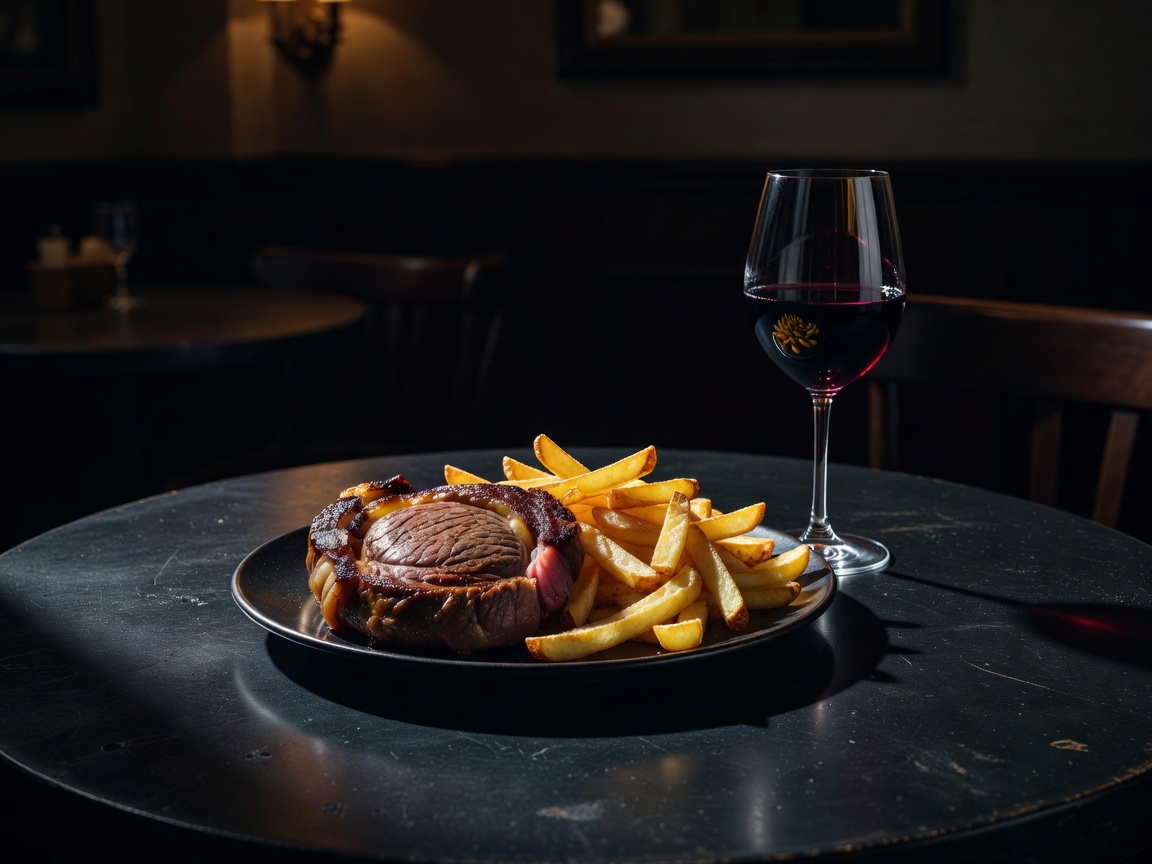
What counts as a bistro
We use the word loosely but not lazily. A bistro, for our board, is a neighbourhood restaurant with a short menu of familiar dishes, prices you could manage more than once a month, and a room where nobody explains the cutlery. That covers French bistros and Lyon's bouchons, London gastropubs, Italian trattorie and the corner place in your city that has served the same roast chicken for fifteen years. It does not cover places that call themselves bistros while charging fine-dining prices for small plates.
A little history worth knowing
The modern idea of a cheap, cooking-led bistro owes a lot to Paris in the early 1990s, when chef Yves Camdeborde left grand hotel kitchens and opened La Régalade, serving serious cooking at a fixed, modest price. The movement that followed got the name bistronomie. Around the same time in London, The Eagle on Farringdon Road, opened in 1991, is widely credited as the first gastropub: a pub where the food mattered as much as the beer. In Lyon, the Les Bouchons Lyonnais label exists to separate traditional bouchons from tourist imitations. And the Michelin Guide's Bib Gourmand, which flags good food at moderate prices, is still the most useful bistro shortlist any guide publishes.
The common thread: cooking first, price kept honest. That is exactly what our weights reward.
What we order first
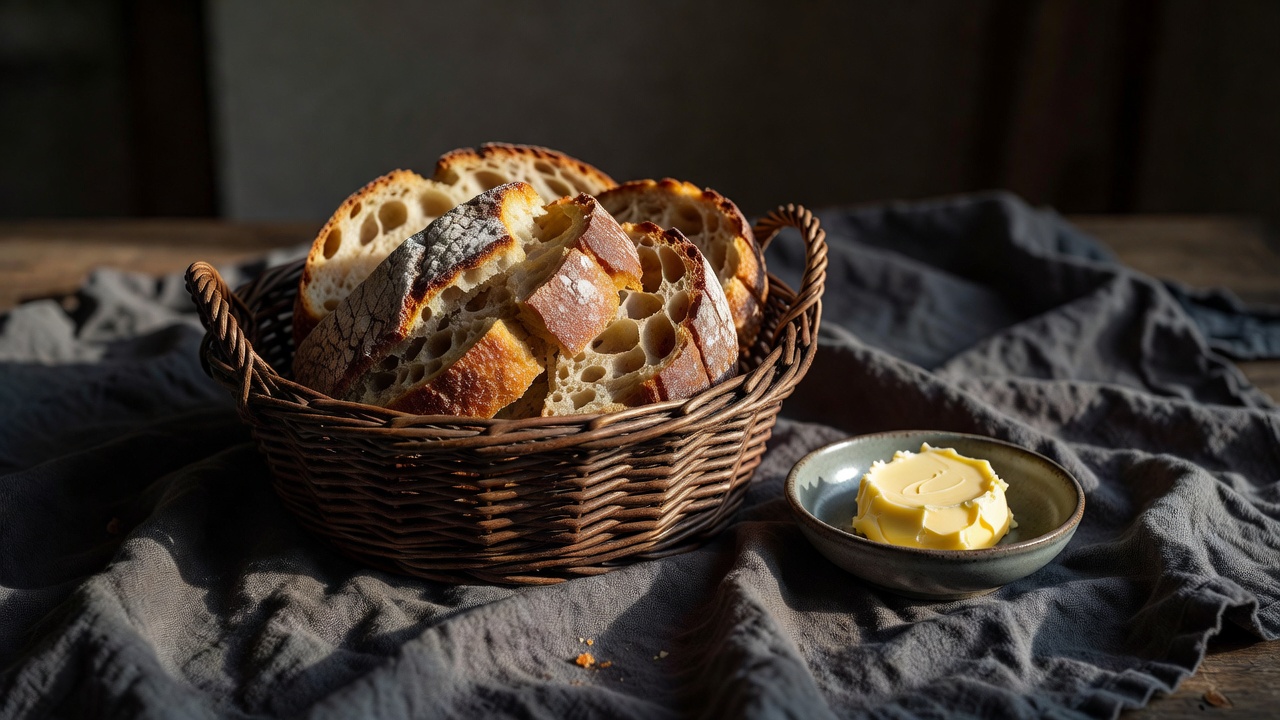
Before we touch the showpiece, we order the plat du jour or the daily special. It tells you whether the kitchen cooks to the market or to a spreadsheet. We eat the bread before anything arrives, because a kitchen that cares about free bread usually cares about everything. We order the house wine by the glass, because the cheapest pour shows the owner's respect for regulars. And then we order the classic the place is known for, whether that is steak frites, a coq au vin, a pie or a bowl of cacio e pepe.
Why value gets 25%
A bistro that costs the same as a destination restaurant has to cook like one, and almost none do. We move five points from ingredients to value because a neighbourhood place lives or dies by whether you can return next week. We look at the price of a main course, the wine mark-up, whether bread and water appear on the bill, and whether service is added automatically. The bill per head is printed on every review.
Green flags
- A short menu that changes, written on a board or a single sheet.
- Regulars greeted by name and nobody rushing the last table.
- A house wine you would happily order a second glass of.
- Offal, braises or anything that needs time on the stove.
Red flags
- Forty dishes across six cuisines; nothing can be fresh.
- Truffle oil on chips. Always a mark-up, rarely a flavour.
- A table turned after ninety minutes on a quiet Tuesday.
- Steak cooked to the wrong temperature and nobody checks back.
What separates a 6 from an 8
A 6 bistro is a pleasant evening: competent food, fair bill, nothing you will think about tomorrow. An 8 is the place you text a friend about on the way home. The gap is almost always in cooking: sauces with real depth, chips fried twice, vegetables treated as more than garnish. Room and service rarely move a bistro more than half a point either way, which is exactly how it should be.