A queue is evidence, not a verdict
Every street food guide repeats the same advice: follow the locals, join the longest line. It is half right. A queue tells you a stall is popular. It does not tell you why. Some queues exist because the cooking is brilliant; others because the stall went viral, sits next to a train exit or only has one person working the grill. We join the queue, then we judge the food as if there had been no wait at all. If the wait was forty minutes and the food is a 6, we say so plainly.
The serious end of the street
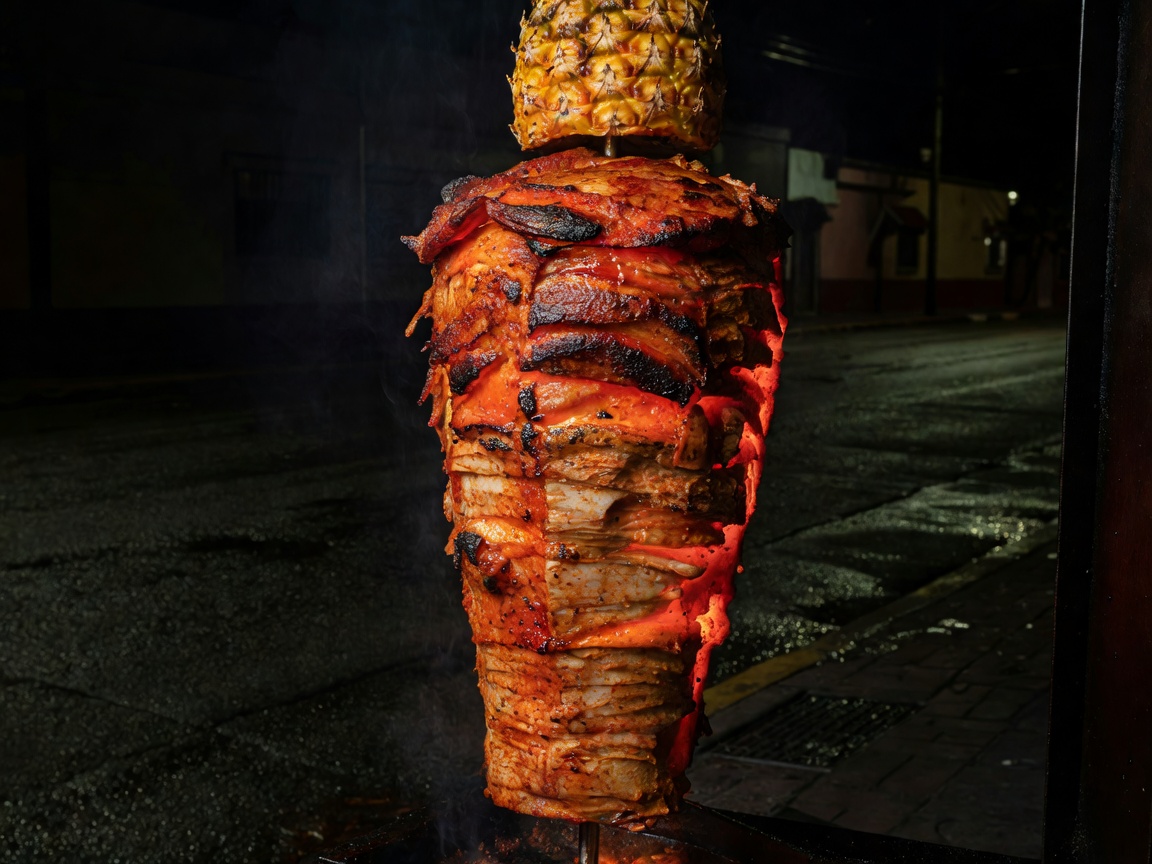
Street food is not a lesser category. Singapore's hawker culture was added to UNESCO's list of Intangible Cultural Heritage in 2020, recognising decades of cooking in the city's hawker centres. In 2016 a soya sauce chicken stall run by Chan Hon Meng, known as Hawker Chan, became one of the first hawker stalls to receive a Michelin star. In Bangkok, the street cook Jay Fai, famous for crab omelettes cooked in goggles over charcoal, earned a star in the city's first Michelin guide. In Mexico City, the taquerías slicing al pastor from a turning trompo set the standard by which every taco elsewhere is measured.
These are our reference points. A stall does not need a star to score well with us, but it does need to cook with that level of intent.
Why cooking takes 40%
At a stall the cooking is the whole experience. There is no wine list to soften a disappointment and no dining room to distract you. We push cooking to 40% and drop the setting to 5%, because nobody should lose points for serving brilliant noodles at a folding table. Value rises to 25%: street food is supposed to be the best food per pound, euro or dollar in any city, and when it is priced like a restaurant it has to cook like one.
What we order
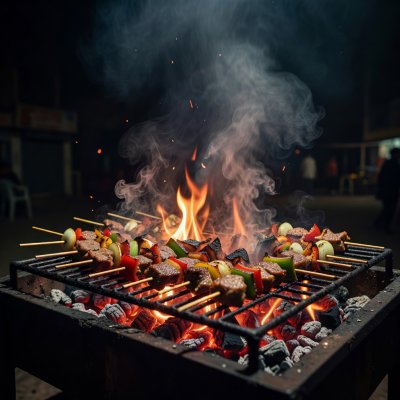
We order the signature, obviously, and then we watch what the regulars order and get that too. Often the second dish is the better one. We eat at least one item immediately and one after five minutes, because street food that collapses on the walk to a bench is not cooked for how people actually eat it.
Hygiene, honestly
We are not health inspectors, and we do not pretend to be. Where official systems exist we report them: the UK's Food Hygiene Rating Scheme, run by the Food Standards Agency, scores businesses from 0 to 5, and New York City posts A, B or C letter grades in restaurant windows. We note the official rating on every review where one applies. Anything below a 3 in the UK, or a B in New York, is flagged prominently, whatever the food tastes like.
Green flags
- A menu of one to five dishes. Specialists beat generalists.
- Food cooked to order in front of you, not held in trays.
- Fresh oil, clean boards, a cook who wipes down between orders.
- Prices on a board, the same for everyone.
Red flags
- Pre-made items reheated in a microwave behind the counter.
- Prices that change depending on who is asking.
- Market halls charging restaurant prices for food built for photos.
- A "secret menu" that is just a mark-up with a story.